Wednesday, 5 July 2023

Nagarkot: A Tranquil Escape to Himalayan Bliss and Cultural Splendor

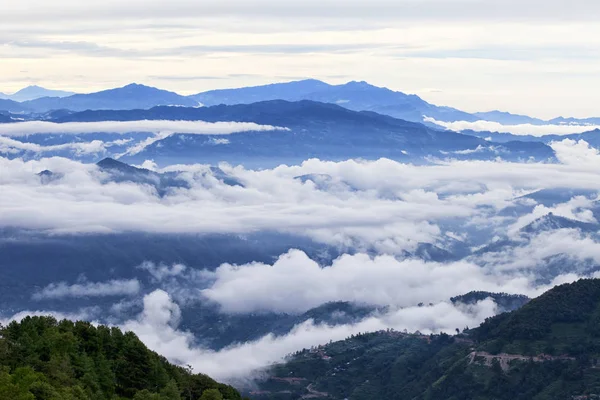
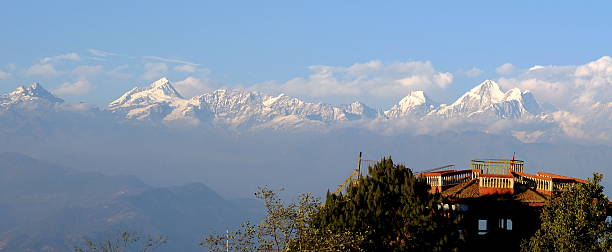
Nagarkot, a serene hill station nestled in the Kathmandu Valley of Nepal, is a destination that takes you to new heights of tranquility and offers breathtaking vistas that leave an indelible mark on your soul. Perched at an elevation of 2,175 meters (7,136 feet), Nagarkot is renowned for its panoramic views of the Himalayan mountain range, including the majestic peaks of Mount Everest, Langtang, Ganesh Himal, and Dorje Lakpa. The ethereal beauty of Nagarkot lies in its ability to transport you to a world far removed from the chaos of city life, where the crisp mountain air and the tranquility of nature envelop you in a sense of peace and rejuvenation.


One of the main highlights of Nagarkot is its magnificent sunrise and sunset views. Witnessing the sun gently rise or set over the Himalayas is an awe-inspiring spectacle that fills your heart with a sense of wonder and appreciation for the beauty of nature. As the first rays of sunlight touch the snow-capped peaks, the mountains are bathed in a golden hue, creating a surreal and breathtaking panorama. The tranquil atmosphere, coupled with the stunning play of light and shadow, creates a mesmerizing experience that is truly unforgettable.


Nagarkot is not just about the mountain views; it also offers opportunities for outdoor adventures and exploration. The region is crisscrossed with scenic hiking trails that allow you to immerse yourself in the natural beauty of the surrounding landscapes. Trekking through verdant forests, terraced fields, and quaint villages, you can witness the daily lives of the local communities and experience their warm hospitality. Nagarkot also serves as a base for longer treks, such as the Nagarkot-Changunarayan trek, which takes you through ancient temples, traditional villages, and panoramic viewpoints.
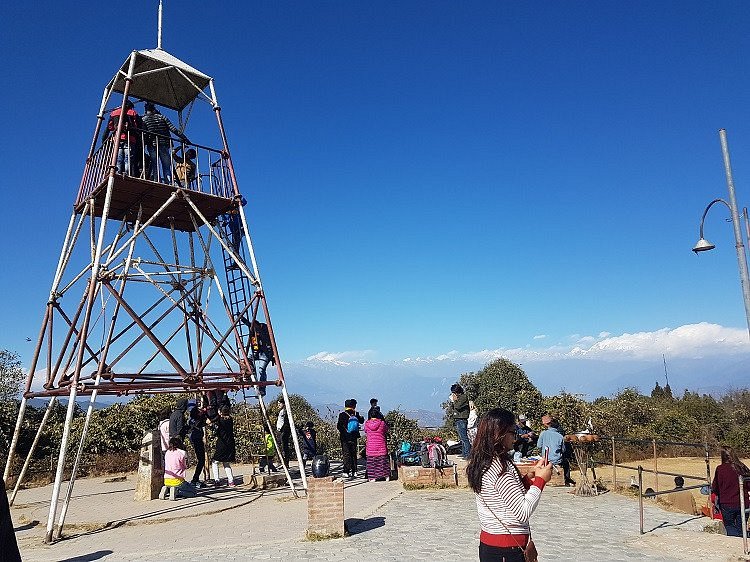


The beauty of Nagarkot extends beyond its natural landscapes. The region is dotted with charming resorts and hotels that offer a comfortable and peaceful retreat. Imagine waking up to the sight of snow-capped mountains right outside your window and enjoying a cup of steaming tea on a terrace overlooking the Himalayas. The accommodations in Nagarkot provide a perfect blend of luxury and serenity, allowing you to relax and rejuvenate in the lap of nature.


Nagarkot is also a cultural hub that showcases the rich heritage of Nepal. The nearby village of Changunarayan is home to one of the oldest Hindu temples in the Kathmandu Valley, dedicated to Lord Vishnu. The intricate wood carvings and ancient stone inscriptions in the temple are a testament to the artistic and architectural brilliance of ancient Nepal. Exploring the village and its surroundings gives you a glimpse into the rich history and cultural traditions of the region.


Beyond its natural and cultural attractions, Nagarkot offers a respite from the hustle and bustle of city life. The tranquil environment and cool mountain breeze create a perfect ambiance for relaxation, meditation, and introspection. It is a place where you can escape the noise and distractions of the modern world and reconnect with your inner self. Whether it's sitting quietly on a hilltop, practicing yoga amidst nature, or indulging in a spa treatment that rejuvenates your body and mind, Nagarkot provides the ideal setting for self-reflection and personal growth.


In conclusion, Nagarkot is a destination that ranks among the top hill stations in Nepal for its mesmerizing mountain views, serene ambiance, and cultural richness. The panoramic vistas of the Himalayas, the ethereal sunrise and sunset views, and the opportunity for outdoor adventures make Nagarkot a must-visit place for nature enthusiasts and adventure seekers. The region's cultural heritage, tranquil accommodations, and the chance to reconnect with oneself further elevate its appeal. Visiting Nagarkot is a transformative experience that lifts your spirits, rejuvenates your soul, and allows you to immerse yourself in the beauty and serenity of the Himalayas. It is a place where time slows down, and every moment is filled with awe and wonder. Nagarkot truly ranks as a gem in the crown of Nepal, offering a sanctuary of natural splendor that leaves an everlasting impression on your heart and mind.

Conquering the Heights: Trekking to Everest Base Camp - A Journey of Natural Splendor and Human Resilience


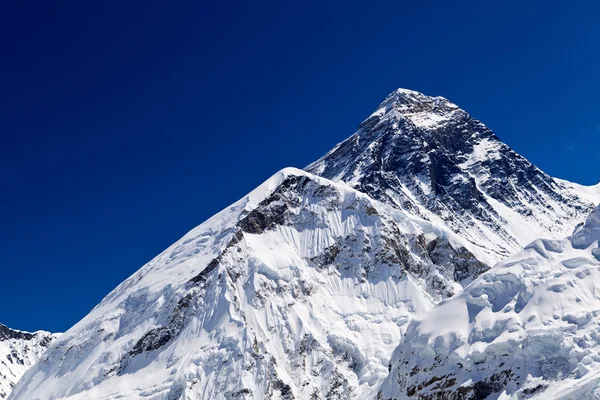
Situated in the awe-inspiring Khumbu region of Nepal, Everest Base Camp is an alluring destination that captivates the imagination of adventurers and trekkers worldwide. Positioned at an elevation of 5,364 meters (17,598 feet), it serves as the starting point for mountaineers embarking on the formidable journey to conquer Mount Everest. The trek to Everest Base Camp presents an extraordinary and unparalleled experience, guiding you through breathtaking landscapes, remote Sherpa villages, and affording panoramic views of some of the planet's loftiest peaks.


The voyage to Everest Base Camp commences with a flight to Lukla, a small mountain airstrip that acts as the gateway to the Khumbu region. From Lukla, trekkers commence an arduous yet rewarding expedition, navigating rocky trails, suspension bridges, and steep ascents. The route winds through Sagarmatha National Park, a UNESCO World Heritage Site renowned for its exceptional array of flora and fauna, including elusive creatures like the snow leopard and Himalayan Tahr.


En route to Everest Base Camp, trekkers traverse quaint Sherpa villages such as Namche Bazaar, Tengboche, and Dingboche, immersing themselves in the local Sherpa culture and way of life. The vibrant prayer flags, Buddhist monasteries, and intricately crafted mani walls that line the trail serve as poignant reflections of the region's spiritual traditions.


The trek offers awe-inspiring views of iconic peaks, including Ama Dablam, Lhotse, Nuptse, and, of course, the majestic Mount Everest itself. Witnessing Everest soar to its awe-inspiring height of 8,848 meters (29,029 feet) is a humbling and overwhelming encounter that instills trekkers with an immense sense of wonder for the grandeur of nature. The final leg of the trek culminates at Everest Base Camp, where trekkers can observe mountaineers from across the globe preparing for their audacious ascent to the summit.


Reaching Everest Base Camp represents not only a remarkable achievement but also a journey that pushes the boundaries of physical endurance and mental fortitude. The high altitude, extreme weather conditions, and rugged terrain demand meticulous acclimatization and preparation. Nevertheless, the profound sense of accomplishment and the awe-inspiring views make each step on the trek worthwhile.


The expedition to Everest Base Camp transcends the mere act of reaching a destination; it encompasses immersing oneself in the vibrant and distinct culture of the Khumbu region. The Sherpa people, celebrated for their warmth and hospitality, extend open arms to trekkers. Teahouses along the trail provide cozy havens for rest, nourishment, and the chance to interact with fellow adventurers hailing from all corners of the globe. The camaraderie fostered around a fireplace in a teahouse, where stories and experiences are shared, represents a cherished aspect of the Everest Base Camp journey.


The trek to Everest Base Camp fosters an indelible connection with nature and instills a deep appreciation for the unwavering spirit of mountaineering. It enables trekkers to witness firsthand the formidable challenges faced by climbers in their pursuit of conquering the world's highest peak. Standing at the base of this towering summit, enveloped by majestic mountains, evokes an overwhelming sense of humility that resonates within the soul long after the journey's end.


In conclusion, the trek to Everest Base Camp is an extraordinary odyssey that combines natural splendor, cultural immersion, and a profound sense of adventure. It presents a unique opportunity to witness the magnificence of the Himalayas up close, embrace the rich Sherpa culture, and become part of a legacy of mountaineering excellence. The trek tests physical and mental limits,but the rewards of reaching Everest Base Camp are immeasurable. It is a truly transformative experience that instills trekkers with a deep reverence for the power and beauty of the mountains and the indomitable human spirit that strives to conquer them.

Chitwan National Park: A Sanctuary of Wildlife, Biodiversity, and Cultural Heritage

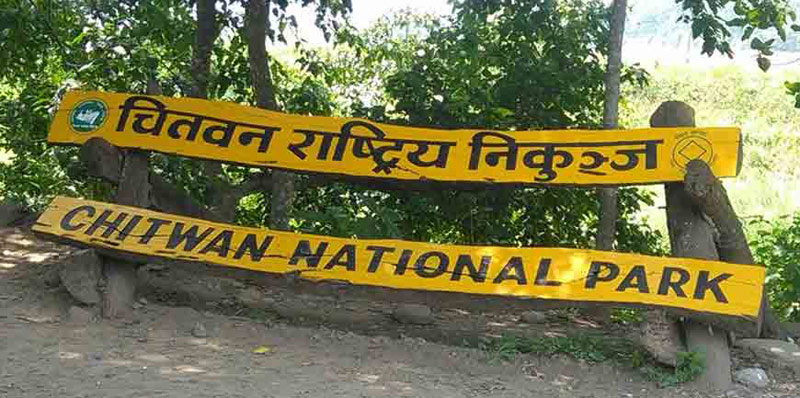
Chitwan National Park, situated in the southern part of Nepal, serves as a sanctuary for wildlife and a sanctuary for those who cherish the natural world. Encompassing an extensive area measuring 952.63 square kilometers, the park is widely recognized for its abundant biodiversity, verdant scenery, and diverse ecosystem. Since its establishment in 1973, Chitwan National Park has earned the status of a UNESCO World Heritage Site, providing protection to endangered species and granting visitors a unique opportunity to observe wildlife in its undisturbed habitat.


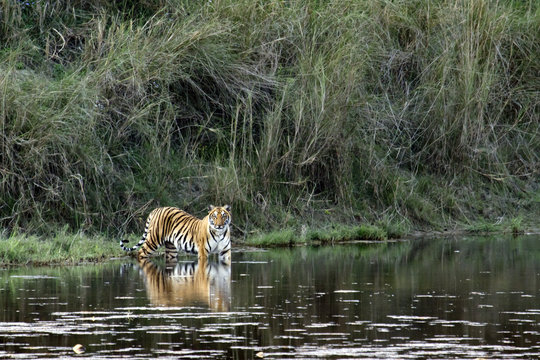
One of the primary allures of Chitwan National Park lies in its population of Royal Bengal Tigers. These magnificent felines, distinguished by their characteristic stripes and commanding presence, rank among the world's most iconic and endangered species. The park is home to a notable number of tigers, and visitors have the chance to catch a glimpse of these elusive creatures during guided excursions through the jungle. Through rigorous conservation endeavors, encompassing anti-poaching measures and the preservation of natural habitats, the park has played a pivotal role in safeguarding the tiger population.


In addition to tigers, Chitwan National Park is renowned for its population of one-horned rhinoceros. These ancient creatures, adorned with their armadillo-like hide and reminiscent of prehistoric times, symbolize strength and resilience. The park provides a sanctuary for a substantial number of these rhinos, which can be observed grazing in the grasslands or bathing in the rivers. The park's successful conservation initiatives have contributed to the recovery of the one-horned rhinoceros population, rendering Chitwan a vital haven for their survival.


Chitwan National Park boasts a diverse ecosystem comprising dense forests, marshlands, and riverine habitats, which create an ideal environment for a wide array of flora and fauna. The park shelters over 700 species of wildlife, including sloth bears, leopards, elephants, crocodiles, and an extensive variety of birds. Bird enthusiasts are treated to the sight of both resident and migratory birds, such as the critically endangered Bengal florican, the vibrant Indian pitta, and the majestic white-necked stork. With its vibrant avian population, the park serves as a paradise for those passionate about birds and nature photography.


Exploring Chitwan National Park offers visitors a myriad of activities to fully immerse themselves in the marvels of nature. Jungle safaris, be it on elephant-back or in jeeps, enable visitors to venture deep into the wilderness and experience encounters with wildlife up close. Knowledgeable guides provide valuable insights into the park's flora, fauna, and conservation efforts, enriching the overall experience. Serene canoe rides along the Rapti River offer a peaceful and picturesque journey, allowing visitors to observe aquatic life and revel in the tranquility of their surroundings.


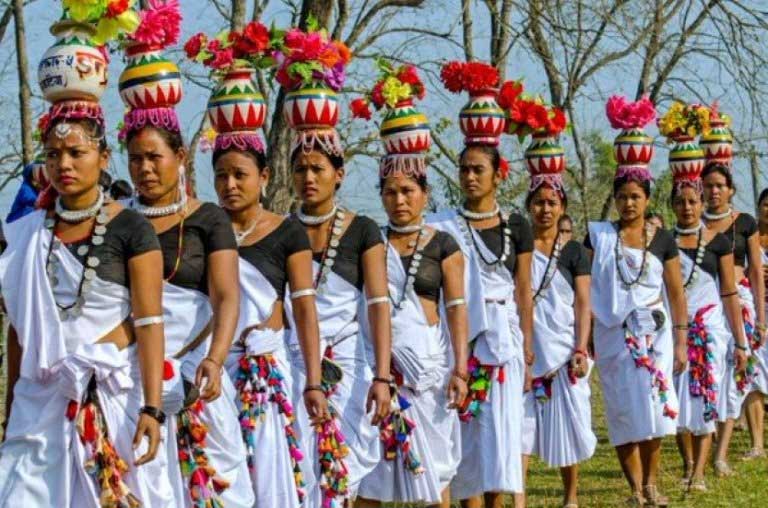
Chitwan National Park not only functions as a wildlife sanctuary but also serves as a cultural and traditional hub. The indigenous Tharu community, with its unique way of life and rich heritage, has harmoniously coexisted with nature in the park for generations. Visitors have the opportunity to engage in cultural programs and village tours to gain insights into Tharu culture, relish traditional dances, and savor authentic local cuisine. The Tharu people's deep-rooted understanding of the land and their conservation practices greatly contribute to the preservation of the park and the promotion of sustainable tourism.


Conservation efforts and community-based initiatives form integral components of Chitwan National Park's management. The park collaborates with local communities, organizations, and international agencies to champion sustainable development, wildlife protection, and community empowerment. These endeavors focus on education, awareness, and the promotion of eco-friendly practices, ensuring the long-term preservation of the park's biodiversity and the well-being of the local residents.

In conclusion, Chitwan National Park is a wildlife sanctuary that combines natural splendor, diverse wildlife, and cultural richness. Its impressive population of tigers, rhinoceroses, and other wildlife, along with its lush landscapes and varied habitats, make it a paradise for nature enthusiasts and advocates of conservation. Exploring Chitwan is a captivating journey that allows visitors to witness the marvels of the animal kingdom, recognize the significance of conservation, and experience the harmonious coexistence of nature and culture.

Buddha's Birthplace: Exploring the Serenity of Lumbini

Lumbini, situated in the southern plains of Nepal, carries immense historical and spiritual importance as the birthplace of Lord Buddha. This revered location attracts pilgrims and travelers from across the globe who seek solace, enlightenment, and a deeper understanding of Buddhism. Recognized as a UNESCO World Heritage Site, Lumbini preserves the remains of ancient monasteries, temples, and archaeological sites, providing valuable insights into the life and teachings of the Buddha.


At the heart of Lumbini stands the Maya Devi Temple, constructed around the sacred spot where Queen Maya Devi gave birth to Prince Siddhartha Gautama, later known as the Buddha. This temple complex features an exquisite white building that houses the marker stone indicating the precise birthplace. Visitors can pay their respects, offer prayers, and meditate in the serene surroundings. Adjacent to the temple lies the sacred Puskarni Pond, believed to be where Queen Maya Devi bathed prior to giving birth.


Lumbini is not solely a site of historical significance, but also a place for contemplation and spiritual growth. Spanning over 2.56 square kilometers, the Lumbini Garden serves as a tranquil sanctuary adorned with beautiful gardens, shaded groves, and meditation centers. The Ashoka Pillar, erected by Emperor Ashoka in the 3rd century BC, stands as a testament to the importance of Lumbini and the spread of Buddhism. Inscribed with ancient Brahmi script, the pillar bears witness to Emperor Ashoka's pilgrimage to this sacred birthplace.


Within the Lumbini complex, various monasteries and temples have been built by different Buddhist communities from around the world. These monastic zones represent diverse Buddhist traditions and countries, such as Thailand, Myanmar, Sri Lanka, China, and Japan. Each monastery showcases unique architectural styles, intricate artwork, and cultural artifacts, providing visitors with a diverse and enriching experience.


Lumbini is not exclusively a destination for Buddhists; it also serves as an inspiration for peace, harmony, and interfaith dialogue. The International Buddhist Research and Meditation Center serves as a hub for scholarly research, meditation retreats, and spiritual discourses. The center welcomes individuals of all faiths to engage in meaningful conversations, fostering understanding and unity among diverse religious traditions.


Beyond its spiritual significance, Lumbini offers opportunities for cultural exploration. The Lumbini Museum and the Lumbini International Research Institute offer valuable insights into the life of Lord Buddha, the history of Buddhism, and the archaeological discoveries made in the region. Visitors can delve into the rich cultural heritage through exhibits, artifacts, manuscripts, and research publications.


Lumbini extends beyond being a confined religious site; it also acts as a platform for social development and peace-building initiatives. The Lumbini Development Trust, in collaboration with international organizations, strives for the sustainable development of the region by promoting education, healthcare, infrastructure, and livelihood opportunities for the local communities. Visitors can actively participate in community-based activities, volunteer work, and cultural exchange programs, contributing to the well-being of the local population.


The tranquil environment, lush greenery, and peaceful ambiance of Lumbini make it an ideal place for meditation and self-reflection. Numerous meditation centers and retreats offer courses and programs for individuals seeking inner peace, mindfulness, and spiritual growth. The serene atmosphere, combined with the sacredness of the birthplace, creates a profound sense of tranquility and connection with the teachings of the Buddha.


In conclusion, Lumbini holds a special place in the hearts of millions as the birthplace of Lord Buddha. This sacred site offers a spiritual pilgrimage, a cultural exploration, and an opportunity for personal introspection. The historical and archaeological significance, coupled with the serene environment and diverse monastic zones, make Lumbini an extraordinary destination for those seeking peace, knowledge, and enlightenment. Exploring Lumbini is a transformative journey that allows visitors to connect with the teachings of the Buddha, experience the power of compassion, and embrace the universal values of harmony and unity.

Pokhara: A Serene Oasis of Natural Beauty and Adventure

Nestled amidst the awe-inspiring Annapurna mountain range, Pokhara is a charming and picturesque city in Nepal that enchants visitors with its natural splendor, peaceful lakes, and panoramic vistas. Referred to as the "City of Lakes," Pokhara attracts nature enthusiasts, adventure seekers, and spiritual pilgrims alike.


A major highlight of Pokhara is the pristine Phewa Lake, encompassed by verdant hills and snow-capped peaks. The lake offers a serene and idyllic setting, where visitors can partake in boating, kayaking, or simply unwind along the shoreline, taking in the breathtaking scenery. At the heart of Phewa Lake lies the Tal Barahi Temple, a picturesque island sanctuary dedicated to the Hindu goddess Durga. This enchanting temple adds to the lake's allure and remains a revered pilgrimage site.


Another natural gem in Pokhara is Begnas Lake, situated a short distance from the city. Known for its serene ambiance and untouched beauty, Begnas Lake provides a tranquil escape from the hustle and bustle of urban life. Visitors can indulge in boating, fishing, or leisurely walks along the lakeside, surrounded by lush vegetation and a sense of serenity.


Pokhara's fame also stems from its breathtaking views of the Annapurna mountain range, including the iconic Machhapuchhre, affectionately known as the "Fishtail" mountain. The city boasts several vantage points, such as Sarangkot and World Peace Pagoda, offering awe-inspiring sunrise and sunset panoramas over the snow-capped peaks. The panoramic Himalayan vistas evoke a profound sense of wonder and tranquility, leaving an indelible impression on all who witness them.


For adventure enthusiasts, Pokhara serves as a gateway to a myriad of outdoor activities. Trekking routes to iconic destinations like Annapurna Base Camp, Ghorepani Poon Hill, and Upper Mustang commence from Pokhara, attracting trekkers from across the globe. The Annapurna Circuit, renowned as one of the world's most stunning treks, promises breathtaking mountain vistas, diverse landscapes, and interactions with local communities. Paragliding is another popular adventure pursuit in Pokhara, allowing thrill-seekers to soar through the skies and embrace a bird's-eye view of the magnificent surroundings.


Pokhara is also a significant hub for spiritual exploration, housing numerous temples and monasteries. The Bindhyabasini Temple, dedicated to the Hindu goddess Durga, holds immense religious importance and draws devotees from near and far. The World Peace Pagoda, perched atop a hill, offers a serene environment for meditation and reflection. Buddhist monasteries like the International Mountain Museum and the Tibetan Refugee Camp provide insights into the spiritual traditions and cultural heritage of the region.


The culinary scene in Pokhara is vibrant and diverse, with a wide array of restaurants, cafes, and eateries catering to various tastes and preferences. Visitors can relish authentic Nepalese cuisine, indulge in international delicacies, or simply savor a cup of locally grown organic coffee while admiring the scenic vistas. The Lakeside area of Pokhara, in particular, is a popular spot among tourists, featuring lively markets, handicraft shops, and venues showcasing live music.


Furthermore, Pokhara is renowned for its warm hospitality and the welcoming nature of its locals. The city emanates a laid-back and relaxed atmosphere, allowing visitors to unwind and rejuvenate amidst its peaceful environs. Whether exploring the natural wonders, engaging in adventurous pursuits, or immersing oneself in the local culture, Pokhara offers an unforgettable and enchanting experience for all.


In summary, Pokhara stands as a veritable paradise for nature enthusiasts, adventure seekers, and spiritual pilgrims. With its tranquil lakes, breathtaking mountain panoramas, and a diverse range of activities, the city effortlessly combines serenity, adventure, and cultural immersion. Embarking on a journey through Pokhara leaves visitors with cherished memories of connecting with nature, embarking on thrilling exploits, and experiencing the genuine warmth of the Nepalese people.

The Enchanting Kathmandu Valley: A Cultural and Natural Marvel

Kathmandu Valley, situated in the heart of Nepal, is a repository of cultural and historical marvels that captivate tourists with its abundant heritage, impressive architecture, and lively ambiance. The valley encompasses the three primary cities of Kathmandu, Bhaktapur, and Patan and has been recognized as a UNESCO World Heritage Site, showcasing Nepal's ancient traditions, religious landmarks, and intricate craftsmanship.

Kathmandu, the capital city of Nepal, acts as the entry point to the valley and is a bustling urban center that harmoniously blends modernity with tradition. It is home to numerous temples, palaces, and architectural wonders that exemplify the artistic skills of the Newar people. Durbar Square, situated at the heart of Kathmandu, serves as a central attraction, featuring ancient royal palaces, courtyards, and temples that serve as a testament to Nepal's glorious past. The square is adorned with intricate woodcarvings, delicate stone sculptures, and pagoda-style temples like the Hanuman Dhoka Palace and the Taleju Temple.


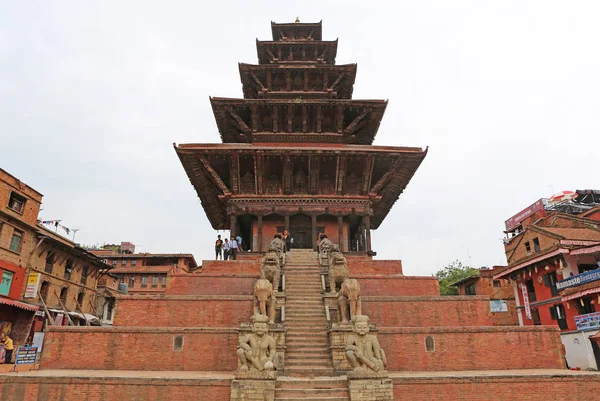
Bhaktapur, also known as the "City of Devotees," is a well-preserved medieval city that transports visitors to a bygone era. Its Durbar Square, a UNESCO World Heritage Site, is characterized by its brick-paved streets, courtyards, and towering temples. The Nyatapola Temple, with its five-tiered structure and guardian deities, is a remarkable sight that showcases the exceptional craftsmanship of the Newar artisans. The city is also renowned for its pottery square, where artisans create intricately designed clay pots using traditional techniques passed down through generations.


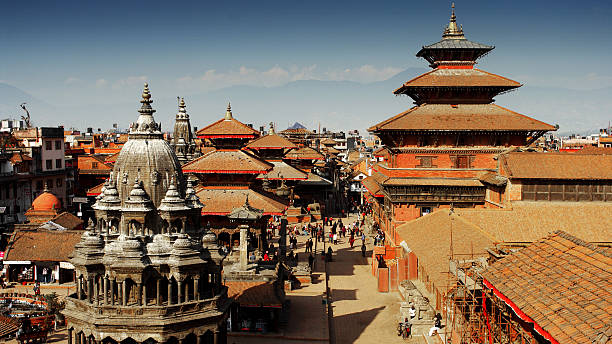
Patan, alternatively referred to as Lalitpur, is another ancient city within the Kathmandu Valley that emanates architectural grandeur and artistic finesse. The Patan Durbar Square is a magnificent complex housing palaces, temples, and courtyards adorned with exquisite carvings and metalwork. The Krishna Mandir, dedicated to Lord Krishna, stands as a marvel of stone architecture and is considered one of the finest examples of Shikhara-style temples in Nepal. Patan is also famous for its traditional arts and crafts, encompassing metalwork, woodcarving, and intricate Thangka paintings.


The Kathmandu Valley not only boasts architectural wonders but also serves as a center of religious and spiritual significance. Pashupatinath Temple, located on the banks of the sacred Bagmati River, is revered as one of the world's most sacred Hindu temples. Devotees flock to this hallowed site to pay homage to Lord Shiva and witness the rituals and cremation ceremonies conducted along the river. Similarly, the Boudhanath Stupa, one of the largest Buddhist stupas globally, stands as a symbol of peace and enlightenment. Adorned with colorful prayer flags, the stupa's mesmerizing white dome attracts pilgrims and visitors seeking tranquility and spiritual solace.

The valley serves as a melting pot of cultures and traditions. The lively streets of Thamel in Kathmandu are lined with shops, restaurants, and guesthouses catering to the diverse needs of tourists from around the world. It serves as a vibrant hub of cultural exchange and provides an opportunity to experience Nepal's varied cuisines, bustling nightlife, and local markets. The valley is also home to numerous festivals and celebrations, such as the lively Dashain and Tihar festivals, where locals gather to partake in music, dance, and religious rituals.

Apart from its cultural wealth, the Kathmandu Valley is blessed with breathtaking natural surroundings. Enveloped by picturesque landscapes, with the majestic Himalayas forming a stunning backdrop, the valley offers opportunities for hiking, nature walks, and outdoor adventures. Nagarkot, a hill station located on the outskirts of Kathmandu, presents panoramic views of the Himalayan range, including the iconic Mount Everest. Tranquil valleys, lush forests, and serene rivers further enhance the valley's natural allure, providing a haven for nature enthusiasts.


In conclusion, the Kathmandu Valley stands as a treasury of cultural, historical, and natural wonders. Its ancient cities adorned with palaces, temples, and squares reflect the rich heritage and architectural brilliance of Nepal. The valley's spiritual sites and festivals offer glimpses into the country's religious fabric, while its natural surroundings provide opportunities for respite and adventure. Exploring the Kathmandu Valley embarks visitors on a captivating journey, immersing them in vibrant traditions, diverse culture, and breathtaking beauty that define Nepal.

Exploring the Enchanting Langtang Valley: A Trekker's Paradise


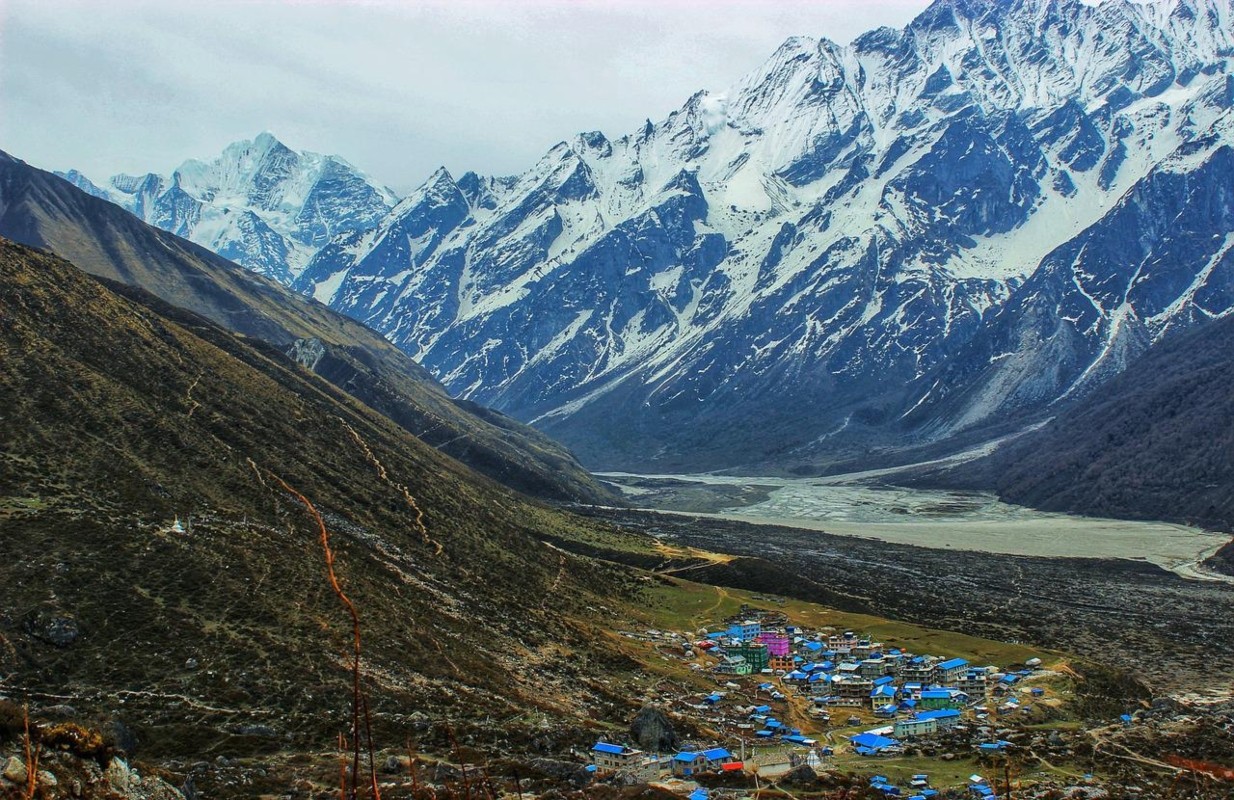
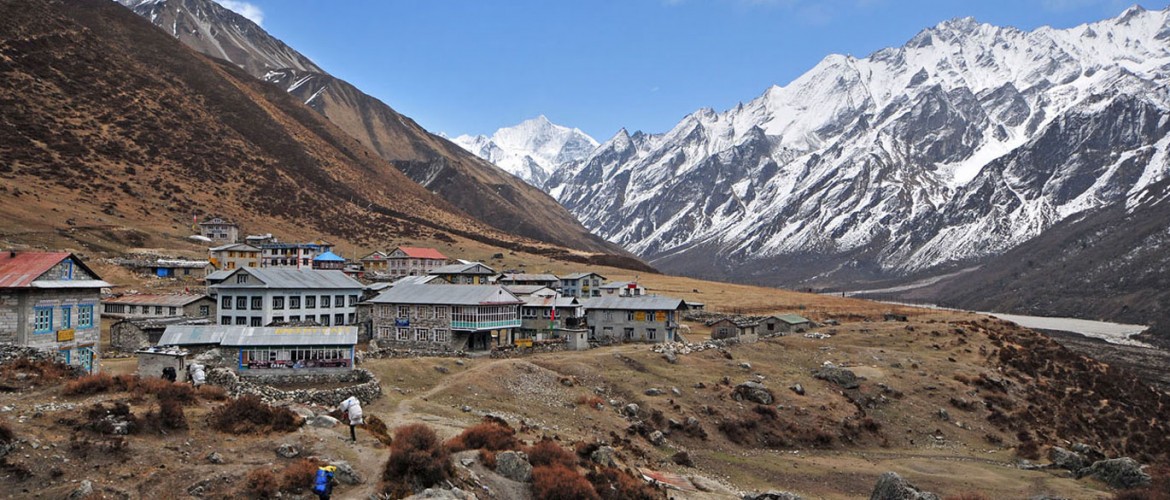
The Langtang Valley Trekking is an exciting expedition that guides you through the stunning landscapes of Nepal's Langtang region. Situated in the Himalayas, the Langtang Valley is celebrated for its unmatched natural splendor, unspoiled alpine forests, and towering snow-covered peaks. Embarking on this trek offers a captivating encounter with picturesque valleys, cascading waterfalls, and the awe-inspiring vistas of Langtang Lirung, the highest peak in the area. The trek presents a delightful fusion of cultural immersion as you pass through charming Tamang villages and interact with friendly locals who are eager to share their customs and way of life. Along the route, you'll also discover the sacred Kyanjin Gompa, a Buddhist monastery where you can find solace and witness the tranquil rhythm of monastic existence. Regardless of whether you're an experienced trekker or a novice adventurer, the Langtang Valley Trekking ensures an unforgettable journey teeming with natural wonders and cultural revelations.


During the Langtang Valley Trekking, you'll traverse diverse terrains that span from gentle meadows to demanding mountain passes. The trail offers a variety of options, allowing trekkers to tailor their experience based on their fitness level and time availability. As you ascend higher into the mountains, you'll be rewarded with panoramic views of the neighboring peaks, including Langshisa Ri, Dorje Lakpa, and Ganesh Himal. The trek also grants you passage by glacial lakes like Gosainkunda, where you can witness the mesmerizing beauty of crystal-clear turquoise waters nestled amidst the rugged mountains. Spending nights camping under a starry sky and waking up to the invigorating mountain air adds an adventurous touch to the trek. The Langtang Valley Trekking not only encompasses a physical journey but also a spiritual one. The serene surroundings, complemented by peaceful monasteries and fluttering prayer flags, foster an atmosphere of introspection and tranquility. It provides an opportunity to disconnect from the chaos of everyday life and reconnect with nature and oneself. As you descend from the mountains, you'll carry cherished memories and a profound appreciation for the raw beauty of the Langtang Valley.


Langtang Valley Trekking is renowned for its abundant biodiversity and the chance to encounter unique wildlife. The region is a habitat for various rare species, including the elusive Red Panda, Himalayan Thar, and Langur monkeys. As you trek through the lush forests, you may catch glimpses of these fascinating creatures in their natural habitat, creating indelible wildlife encounters. The trek takes place within the Langtang National Park, a protected area dedicated to preserving the diverse flora and fauna of the region. It serves as a paradise for nature enthusiasts and avid photographers, providing endless opportunities to capture the captivating landscapes and untamed wildlife in their purest form. Moreover, the trek facilitates interactions with local communities, granting insights into their traditional lifestyles, customs, and cuisine. You can savor authentic Nepalese dishes, sample locally brewed tea, and engage in cultural exchanges that expand your understanding of the region's heritage. The warmth and hospitality of the Tamang people, renowned for their unique craftsmanship and vibrant festivals, leave an enduring impression on trekkers. The Langtang Valley Trekking is an extraordinary expedition that seamlessly blends adventure, natural beauty, cultural exploration, and a deep connection with the Himalayas. It ignites the spirit of adventure within you and leaves you with cherished memories that will endure a lifetime.

Janakpur: Exploring the Birthplace of Goddess Sita and the Vibrant Cultural Heritage of Nepal

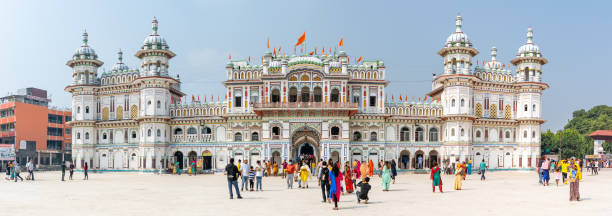
Janakpur, located in the southern plains of Nepal, is a dynamic and culturally significant city that holds great importance in Hindu mytholo...